
The range of qualities in coatings for timber floors exists due to several factors:
- Ingredients: Different coatings use varying formulations, including resins, solvents, and additives. Higher-quality ingredients often provide better durability and protection. But in a price driven product there are always products at a cheaper price that perform at the level of a cheap price.
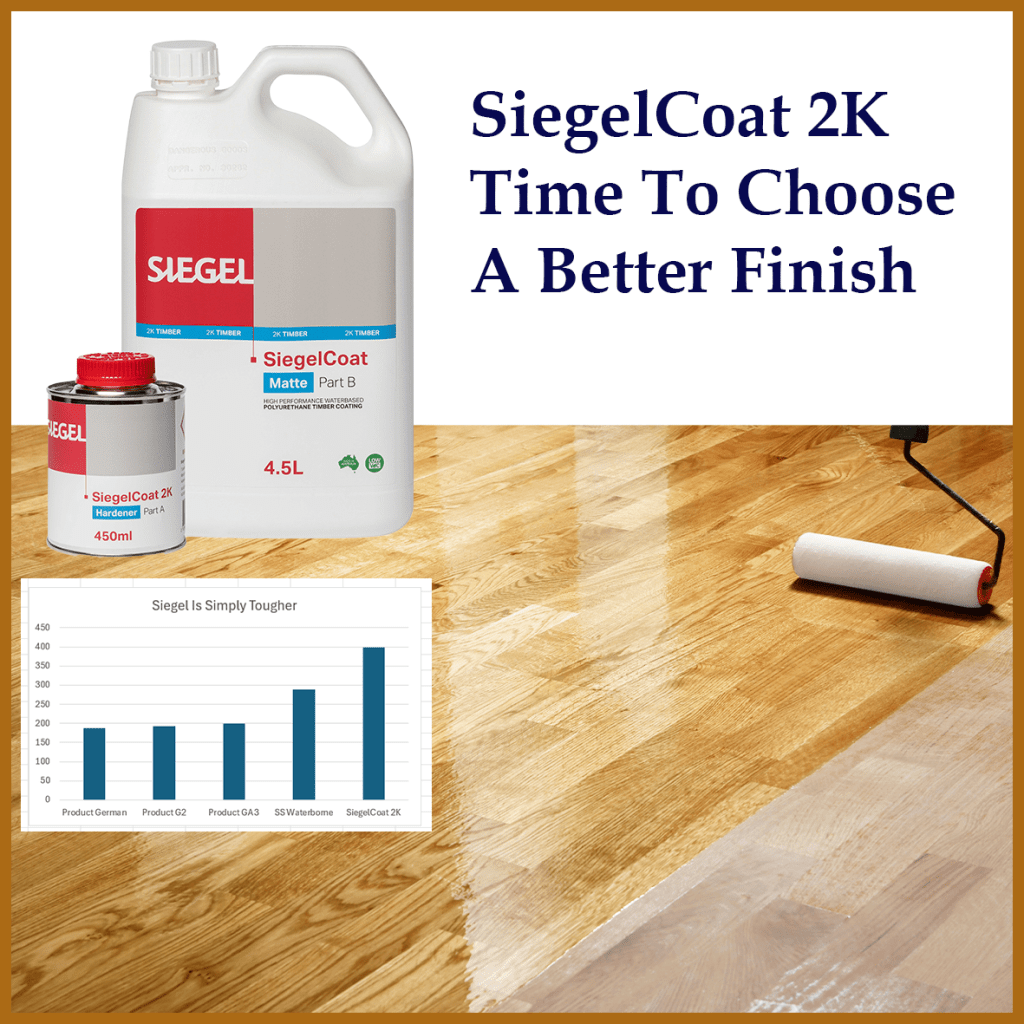
- Performance: Coatings vary in their resistance to wear, scratches, moisture, and UV light. Higher-quality coatings typically offer superior performance in these areas. In Australia there is a huge variation in performance between different brands.
- Finish Options: Coatings come in various finishes (e.g., matte, semi-gloss, gloss), with higher-quality products providing more consistent and aesthetically pleasing results.
- Application Methods: Some coatings are easier to apply and maintain than others. High-quality products often have better flow and leveling properties.
- Durability: Higher-quality coatings tend to last longer, requiring less frequent reapplication, which can save time and money in the long run. Some people write off waterborne products based on cheaper products not realising that if they had chosen Bona Traffic they would have enjoyed real performance. The same is true of hard-wax oils: some write off oils because they had disappointing results with a cheap product but if they had had OSMO applied they would have had a great result. The moral is clear – don’t fall prey to the cheap price instead of performance.
- Environmental Impact: Premium coatings may be more eco-friendly, using low-VOC or water-based formulations that are safer for indoor environments.
- Cost: Quality often correlates with price; while cheaper options may be tempting, they might not provide the same level of protection or longevity.
These factors contribute to the wide range of coatings available, allowing consumers to choose based on their specific needs and budget.


 vcs floorworks PERTH everything for flooring
Leave a comment