
With the significant steps taken to stop logging in many areas of Australia it will be increasingly difficult to replace a solid timber floor going forward. Even extending an existing timber floor has become hard to do. At VCS our sourcing and made to order area has expanded greatly in the last quarter.
We have a lot planned here at VCS with developments in our support and maintenance approach. During the last year we did try a number of different things with some success in some areas but this has helped us to focus on the more important things which is the needs of our customers.
Going forward and considering the nonavailability of Australian species of timber, we will need to look at how we maintain our timber floors. It’s not simply going to be the case, as in the past, that they are easily replaceable with high-quality Australian hardwood. That whole approach is pretty much going out of the window.
Australian timbers are easily some of the hardest and best timbers in the world. With these no longer being available without huge lead times, we have to adjust. The best and the most economical way going forward where a person has an existing timber floor is to maintain that floor to a high standard.
Forward Compatible Coatings
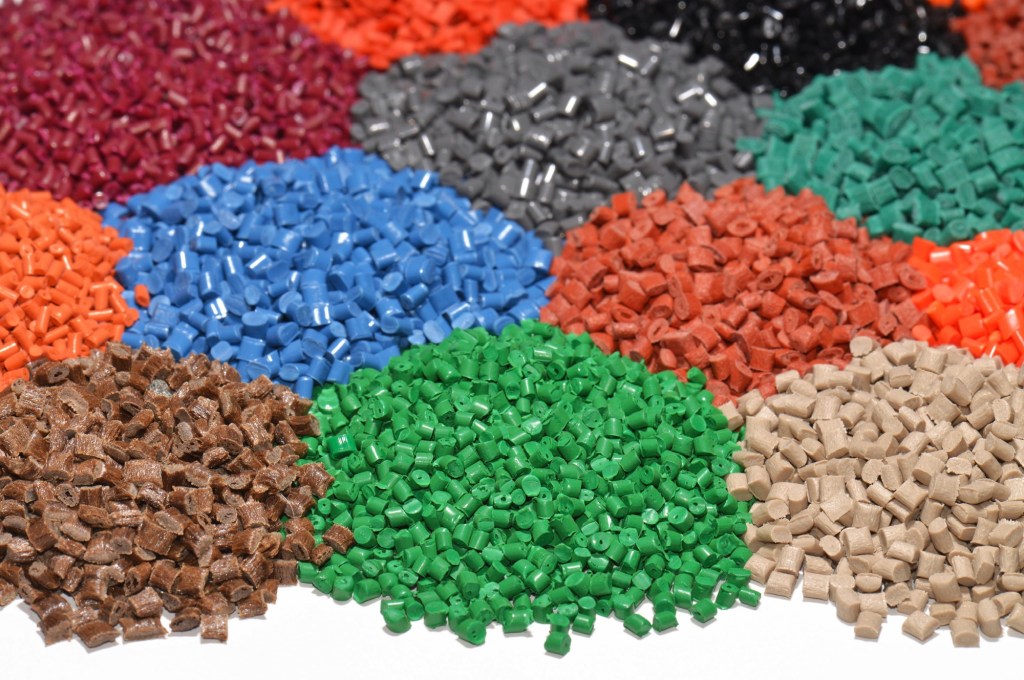
It is essential to use coatings that will be forward compatible. There are basically two types of coating that are being maintained going forward. The world is moving away from old-fashioned solvent-based finishes. Now while it may be tempting to use plastic in the manner in which it has been used here in Perth, it really isn’t the best choice.

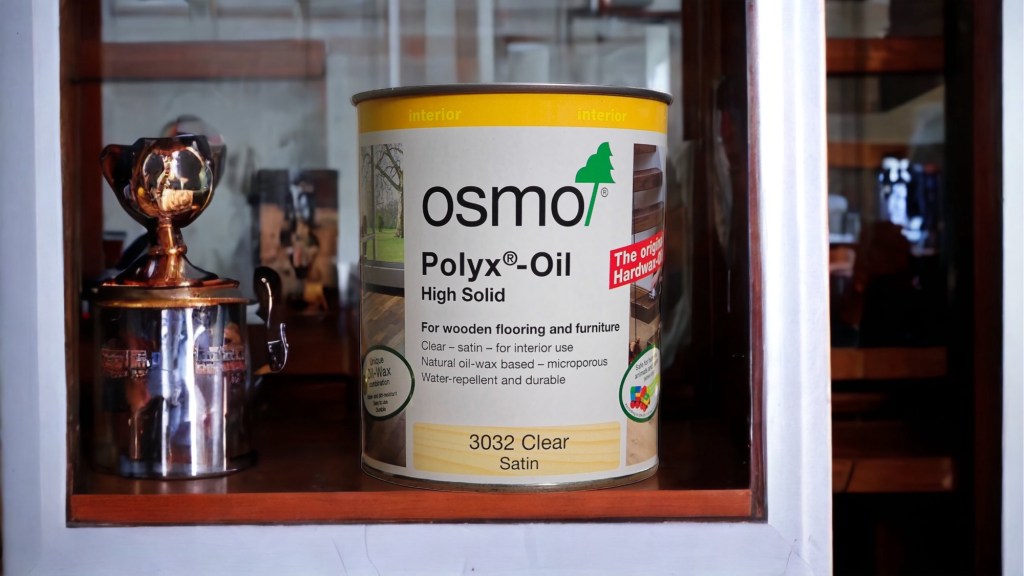
Waterborne Coatings and Hard Wax Oil Coatings non fortified with plastics are definitely compatible.
We highly recommend considering the Osmo hard wax oil range or the Bona waterborne range.

The reason for this recommendation relates to durability and forward support.
NOTES ON SOLVENT BASED COATINGS AND PLASTICS
Solvent-based plastic coatings pose an often overlooked threat to our environment. Their appeal lies in their durability, fast-drying nature, and ideal finish, however, the harmful repercussions of these products must be considered. These coatings contain large amounts of Volatile Organic Compounds (VOCs), which can cause severe environmental damage.
VOCs are chemicals that become a gas at room temperature. When released into the atmosphere, they react with other elements to form ozone, a primary component in smog. Smog not only obscures our view of nature’s beauty but also wreaks havoc on our environment by damaging plants and reducing crop yields. It further plays a role in global warming, a grave issue that urgently needs addressing.
Moreover, the manufacturing process of these solvent-based coatings involves the release of significant amounts of greenhouse gases. The accumulation of these gases in our atmosphere traps heat, contributing to a degree to the rising global temperature. Compounding this issue, many solvents used in these coatings are not easily biodegradable and persist in the environment, polluting our water and soil for years.
Furthermore, solvent-based coatings are also a threat to wildlife, contaminating their habitats, poisoning their food sources and causing detrimental health effects. The thinning and cleaning of these coatings involve hazardous chemicals, which may leach into the soil and subsequently, the water sources, rendering habitats unliveable for many species.
In the immediate human context, these coatings impact the air quality, causing harm to our respiratory health and well being. Long-term exposure to VOCs can lead to several health complications like asthma, lung damage, and other respiratory ailments.
It’s clear that whilst solvent-based plastic coatings may seem convenient in the short-term, their long-term implications for our environment and health are devastating. There are numerous eco-friendly alternatives, such as water-based and plant-based coatings, which are less toxic and offer comparable performance. Switching to these safe alternatives can significantly reduce the harm inflicted on our environment.
Our choices today will impact the health and well-being of our planet for generations to come. Let’s opt for products that not only meet our immediate needs but also protect our environment. For a sustainable future, we need to say no to solvent-based plastic coatings.



 vcs floorworks PERTH everything for flooring
Leave a comment