
In the move away from the use of solvent-based products it is important to recognise that as a generation we still want the benefits in terms of durability and performance without exposing ourselves or our families to the effects of solvent release.
Solvent-based polyurethane in one form or another is still readily available and used in Australia although there has been a significant reduction in the ability to produce these products in Australia due to a variety of reasons. But you can still find yourself opening a tin of product only to be assailed with a strong solvent odour which tells you that you have bought solvent-based product. So, can you achieve a result that gives you durability without needing to release a large quantity of solvent?
Let’s take a closer look.
Polyurethane is a versatile polymer compound that is commonly used in various applications such as foam insulation, furniture cushions, adhesives, sealants, coatings, and more. It is known for its durability, flexibility, and resistance to abrasion, making it a popular choice in many industries.

Polyurethane is a very tough hardwearing and durable protective surface. The use of polyurethane has allowed for the easy manufacturer of many components used in a variety of industries from automobiles to household products. It is also widely used as a timber floor coating. The problem comes with solvent based polyurethane which is high in volatile organic compounds or solvent.
Volatile organic compounds (VOCs) are chemicals that can easily evaporate into the air at room temperature. Polyurethane products often contain VOCs in the form of solvents that are used in the manufacturing process or as part of the product formulation. These VOCs can be released into the air during application and curing of polyurethane products.
The high VOC content in polyurethane products is primarily due to the solvents used to dissolve the polyurethane resin and facilitate application. These solvents help the polyurethane flow easily during application and then evaporate during the curing process. However, the evaporation of these solvents can contribute to poor indoor air quality and can be harmful to human health, causing respiratory issues and other health problems.
Price Driven
Many markets are price driven and hence solvent based polyurethane continues to be available because of the lower cost of manufacture and use.

However, there is growing awareness of the danger to contractors in the use of solvent based products. Is very important to use appropriate protective equipment when working with solvent based coatings.
In recent years, there has been a growing awareness of the environmental and health impacts of VOC emissions from products like polyurethane. As a result, manufacturers have been working to develop low-VOC or VOC-free formulations of polyurethane products to reduce their environmental footprint and improve indoor air quality. These low-VOC alternatives may use water-based or other eco-friendly solvents in place of traditional VOC-emitting solvents.
Alternatives That Are Durable
Over the last two decades they have been developed a number of alternatives that move away from VOC. It is important to investigate these as within the range of alternatives there are a range of quality options. There is a huge variety of products from the very durable to the less durable. We have some specific recommendations.
OSMO OIL
Classic coating choices that can help when it comes to avoiding VOCs are such products as the Osmo Polyx range of hard wax oils where the coating itself is a mix of oils and waxes.

OSMO Polyx Oil is a wood finish product that is clear, satin, and fast-drying. It is designed for professional use and is widely used on domestic and commercial floors. The product contains renewable plant ingredients that create a more evenly colored and harmonious appearance. The key renewables and components in OSMO Polyx Oil include:
Sunflower oil, soybean oil, and thistle oil (renewable plant raw materials) Carnauba wax and candelilla wax (renewable plant raw materials) which are readily available but blended is a unique manner.
These ingredients are chosen to provide durability, protection against dirt, water, and abrasion, as well as to create a safe and healthy living environment. The finished surface is resistant to various substances and safe for humans, animals, and plants. It is also suitable for children’s toys according to safety norms.
OSMO is the safe alternative and offers many benefits beyond the use of renewables.
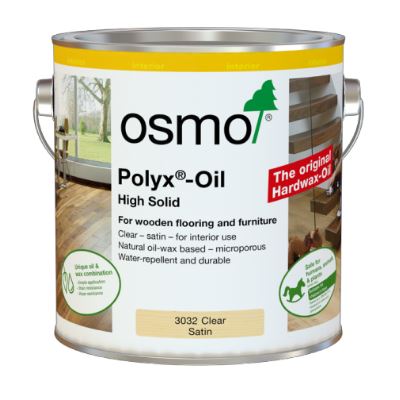
OSMO hardwax oils are popular for their unique blend of natural oils and waxes that provide a durable and attractive finish for timber surfaces. Here are some benefits of using OSMO hardwax oils:
- Natural Ingredients: OSMO hardwax oils are made from natural plant oils and waxes, making them environmentally friendly and safe to use. These natural ingredients enhance the wood’s natural beauty and provide a breathable finish.
- Enhanced Durability: Hardwax oils penetrate into the wood fibers and create a hard-wearing surface that protects against scratches, stains, and general wear and tear. This results in a durable finish that can withstand heavy use.
- Easy Application: OSMO hardwax oils are easy to apply, with most products requiring only one or two coats. They have a long open time, allowing for seamless application and minimal risk of lap marks.
- Maintenance: Oiled finishes are easy to maintain and repair. If the surface becomes worn or damaged, it can be easily spot-repaired without the need to sand and refinish the entire area.
- Natural Look: Hardwax oils enhance the natural grain and color of the wood, providing a beautiful and natural-looking finish. They are available in a range of tints and finishes to suit different wood species and design preferences.
- Breathable Finish: OSMO hardwax oils allow the wood to breathe, preventing moisture buildup and reducing the risk of warping or cracking. This makes them ideal for use on interior wooden surfaces.
Overall, OSMO hardwax oils offer a combination of durability, natural beauty, ease of application, and maintenance benefits, making them a popular choice for protecting and enhancing timber surfaces.
Waterborne?
Bona Traffic is a water-based timber floor finish that is known for its benefits as an alternative to solvent-based coatings.

Here are some key points about Bona Traffic:
- Non-Toxic: Bona Traffic is a non-toxic finish that is environmentally friendly and does not emit harmful fumes or contain harmful chemicals, unlike solvent-based coatings.
- Health Benefits: Solvent-based finishes can pose serious health risks such as chronic and acute asthma, memory loss, brain damage, clinical depression, aggressive behavior, impaired fertility, and more. In contrast, water-based finishes like Bona Traffic do not have these health risks.
- Low VOC Emissions: Bona Traffic has low Volatile Organic Compounds (VOC) emissions compared to solvent-based coatings. VOC gases are toxic and flammable, with solvent coatings releasing high levels of VOCs. In contrast, water-based finishes like Bona Traffic emit low levels of VOCs, making them harmless and requiring no long-term off-gassing.
- Regulatory Compliance: In Europe, regulations ban the use of solvent-based timber floor finishes due to their harmful effects. Water-based finishes like Bona Traffic meet strict VOC standards and are considered safe for use.
- Performance: Bona Traffic is designed for heavy traffic residential and commercial use, offering excellent wear resistance, non-yellowing properties, and high performance in various settings like offices, studios, galleries, public buildings, and retail shops.
Overall, Bona Traffic is a preferred choice for those looking for a safe, high-performance, and environmentally friendly alternative to solvent-based coatings for timber floors.
VCS has been involved in the timber flooring industry since 1989. In that time, we have seen people’s preferences for carpets and linoleum make way for a return to traditional timber flooring. VCS have been involved in the journey from the beginning.



 vcs floorworks PERTH everything for flooring
Leave a comment