
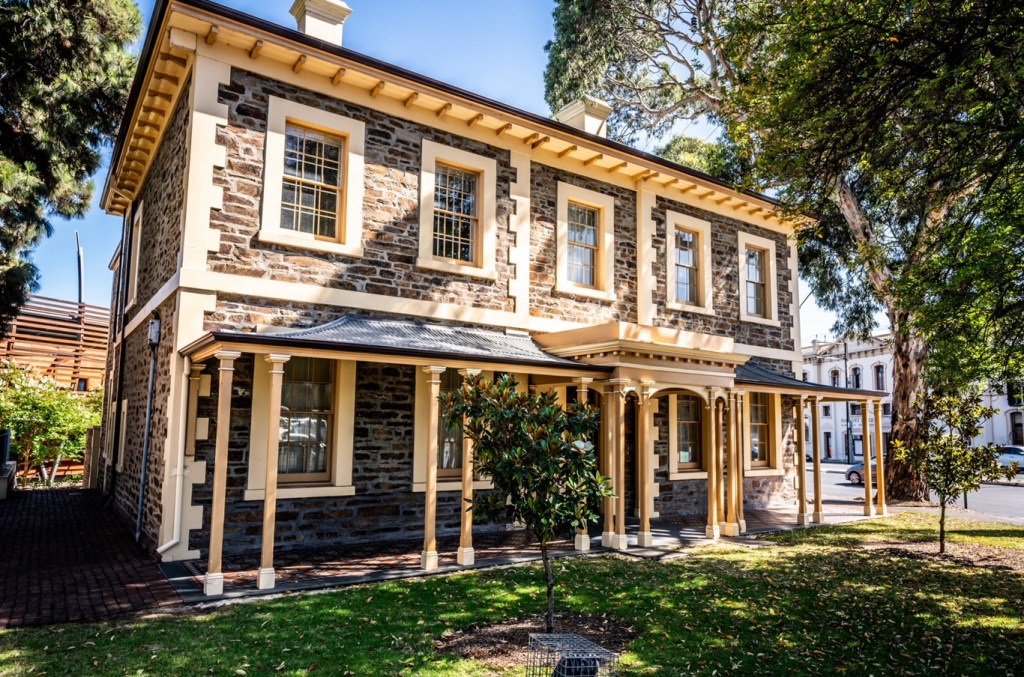
The look of plastic just doesn’t suit older Heritage buildings and that’s not something that we need to really labor. Using plastic coatings on heritage buildings makes very little sense when you consider the fact that polyurethane as a product was developed in the form that we know today after World War II and the heritage buildings were constructed many decades before plastic became common. Plastic does doesn’t fit the style and feel of these older heritage buildings. At the same time it’s necessary to use products that are easy to maintain and also have durability that reflects the developments that have occurred since these buildings were constructed. This is where people are turning to Osmo oils to achieve an excellent result.
Why Using OSMO Oils is a Smart Choice for Maintaining Older Heritage Buildings

Maintaining the structural integrity and aesthetic appeal of older heritage buildings requires a meticulous approach and the use of quality materials. Among the array of solutions available in the market, OSMO oils stand out as an exemplary choice for their unique characteristics and benefits. In particular, these oils are highly beneficial in preserving the original charm of wooden floors, saving them from future sanding, and ensuring their longevity.
OSMO oils, developed using renewable ingredients, offer an eco-friendly solution for maintaining the heritage buildings. The use of these oils aligns with the global emphasis on sustainable practices, providing a responsible means to uphold the beauty of these architectural gems.
Saving the Floor from Future Sanding
Wooden floors in heritage buildings add a touch of elegance and nostalgia. However, maintaining these floors can be challenging, often requiring sanding to remove wear and tear. This is where OSMO oils make a significant difference. The oils penetrate deeply into the wood, protecting it from within and preserving its natural texture and beauty.
Unlike conventional varnishes that form a layer on the surface and eventually peel or flake off, OSMO oils do not form a film on the wood surface. This eliminates the need for sanding, reducing maintenance efforts, and costs in the long run. Moreover, the application of OSMO oils can be easily localized to specific areas if required, without the need for a full-scale sanding and refinishing, further contributing to their practicality and cost-effectiveness.
Based on Renewable Ingredients
In an era where sustainability is more than just a buzzword, OSMO oils are a model of green innovation. These oils are primarily composed of renewable ingredients such as sunflower, soya, linseed and thistle oil, with a small proportion of waxes and siccatives for drying and hardening.

The use of these natural ingredients ensures that the oils are safe for humans, animals and plants. Moreover, they contribute to a healthier indoor air quality, as they do not emit harmful volatile organic compounds (VOCs). This feature is particularly crucial in older heritage buildings, where indoor air quality and health safety are paramount.
Full Maintenance Program
One of the standout features of OSMO oils is their comprehensive maintenance program. This program provides a systematic approach to maintaining the quality of wooden floors and other wooden surfaces in heritage buildings, ensuring their longevity and appeal.
The maintenance program includes regular cleaning and refreshing, intensive cleaning and rejuvenation, and renovation without sanding. It provides a detailed guide on how to use OSMO oils effectively for different maintenance needs, making it easier for building owners and managers to take care of their valuable properties.
In conclusion, OSMO oils offer a compelling solution for maintaining older heritage buildings, combining the benefits of protection, sustainability, and comprehensive maintenance. By choosing these oils, building owners and managers can preserve the charm of their heritage properties while ensuring their longevity and value for generations to come.
Discussion – The Challenges of Preserving Australia’s Heritage: The Role of OSMO Oils
Australia is a country rich in architectural heritage, with a range of older buildings that speak volumes about our history and culture. However, the preservation and maintenance of these older buildings can present a myriad of challenges, particularly due to Australia’s unique climate and environmental conditions. This is where OSMO Oils comes into play, providing innovative solutions to help overcome these challenges.
One of the most significant challenges in looking after older buildings in Australia is dealing with the impact of harsh weather conditions. Australia’s climate can be incredibly diverse, from hot, dry summers to cold, wet winters. These weather conditions can cause significant wear and tear on older buildings, leading to issues such as fading, cracking, and even structural damage.
The use of inappropriate materials or techniques during maintenance can also harm the integrity of older structures. Traditional buildings were constructed using different techniques and materials than those used today. Therefore, using modern materials or techniques can lead to further deterioration rather than preservation.
Another challenge involves managing the risks of pests and termites, which can cause severe structural damage to older buildings. Australia is home to some of the world’s most destructive termite species, making this a significant concern for heritage preservation.
These challenges, along with many others, can make the maintenance and preservation of older buildings in Australia an arduous task. However, innovations in the field of building maintenance, such as OSMO Oils, are making this task more manageable.
OSMO Oils are designed to protect and preserve the natural beauty of wood, a material commonly used in older Australian buildings. These oils penetrate deep into the wood, enhancing its natural properties and providing durable protection against harsh weather conditions.
Unlike conventional surface coatings, OSMO Oils do not form a film on the wood surface. This means they do not crack, peel or blister, issues often associated with the maintenance of older buildings. The oils work in harmony with the wood, allowing it to breathe and helping to regulate its moisture content. This reduces the risk of swelling and shrinking, helping to maintain the structural integrity of the building.
OSMO’s Anti-Slip Decking Oil is also a valuable tool in the fight against pests and termites. This oil contains ingredients that deter these pests, helping to protect older buildings from their destructive effects.
Furthermore, OSMO Oils are environmentally friendly, aligning with the growing importance of sustainability in building maintenance. They are derived from natural vegetable oils and waxes, making them safe for humans, animals, and plants. This also means they are safer to use in the preservation of older buildings, reducing the risk of damaging these important pieces of Australia’s cultural heritage.
In conclusion, the preservation of older buildings in Australia presents a range of challenges, from dealing with harsh weather conditions to managing the risk of pests and termites. However, products like OSMO Oils are providing innovative, environmentally friendly solutions to these challenges, helping to ensure that Australia’s architectural heritage can be enjoyed by future generations.
Choosing Renewable Finishes
Using coatings derived from renewable materials is essential for several compelling reasons. First and foremost, renewable resources are sustainable by nature. Unlike fossil fuels, which are finite and can result in significant environmental degradation during extraction and processing, renewables such as natural oils and waxes are sourced from abundant, renewable resources. This means that products made from these materials contribute to a more sustainable manufacturing process.
Renewables also play a crucial role in reducing our carbon footprint. The use of sustainable materials in coatings is an effective way to minimize greenhouse gas emissions. For instance, OSMO Oils, crafted from natural oils and waxes, utilize plant-based components that not only perform exceptionally well but also help in mitigating the harmful environmental impacts associated with synthetic coatings.
Moreover, renewable coatings are often safer for both the environment and human health. They typically contain fewer volatile organic compounds (VOCs), which are known to contribute to air pollution and various health issues. Thus, by opting for coatings like OSMO Oils, you are not only making a responsible choice for your projects but also prioritizing the wellbeing of your family and the community at large.
Finally, using coatings made from renewables supports the global shift towards a circular economy. By choosing OSMO Oils, which align with this sustainable model, you help promote the idea of reusability and recyclability in products, fostering a healthier planet for future generations.
In summary, coatings from renewable resources are not just a trend; they represent a necessary evolution in how we think about and implement coatings in our daily lives. By selecting options like OSMO Oils, you’re making a well-informed choice that resonates with both environmental sustainability and human health. Thank you for considering the importance of renewables in your coating choices.
VCS solid timber floors are the premier provider of timber floors in Perth with a long history in both the practical side and the supply side of the timber flooring community in Perth Western Australia. For Timber Floors Perth, look no further than VCS in Osborne Park. Quality timber flooring since 1989 and still Perth’s most experienced team.



 vcs floorworks PERTH everything for flooring
Leave a comment