
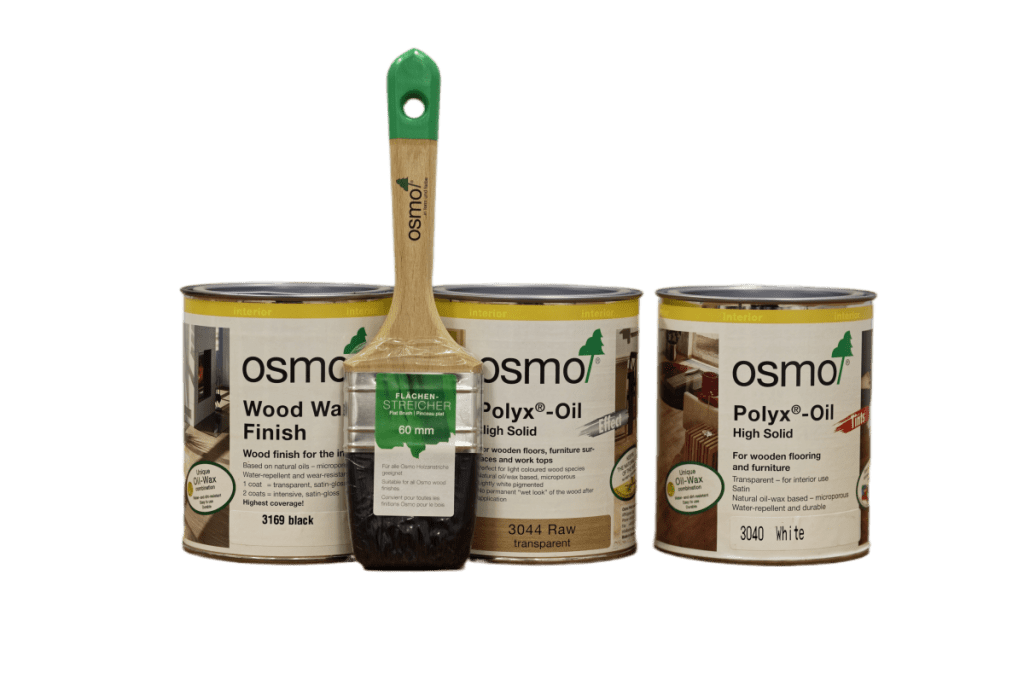
In response to growing demand for more environmentally conscious floor coatings, we have increasingly supplied Osmo oil products. It is important, however, to recognise that not all oil-based coatings are equal. Many people assume that any oil finish is automatically an environmentally responsible option, but that is not the case. When you compare product data sheets, it becomes clear that some coatings contain significantly more solvent than others. In practical terms, that means some products are much closer to older petroleum-based coatings than to the modern low-solvent finishes now preferred for reducing exposure to volatile organic compounds, or VOCs.

We have worked with a wide range of oil-based products over the years, and our decision to supply Osmo was made after careful comparison. While we continue to have access to other oil-based systems with various additives, Osmo stands apart. It is not simply an oil finish; it is a carefully developed blend of four oils and three waxes, designed to create a durable and highly effective flooring treatment.
Most conventional oil finishes are what we refer to as mono oils, meaning they contain a single oil type. Tung oil is a well-known example. Traditionally used as a waterproofing finish on wooden boat hulls, it has also been used on flooring. However, it was soon recognised that tung oil on its own does not provide sufficient durability for modern floor use. Although it can harden over time if left untouched for months, most floors cannot be taken out of service for that long. Once a floor is used, wear begins almost immediately. Under magnification, this starts as micro-scratching or etching on the surface, which gradually leads to visible wear. A tung oil finish alone can show significant surface damage very quickly.
For that reason, many manufacturers modified tung oil by adding resins, creating a urethane alkyd-type finish. This gave the appearance of oil while introducing plastic or polyurethane elements to improve performance. This has been the approach behind many modern oil products.
Osmo takes a different approach. It does not rely on added plastics or resins to strengthen the finish. Instead, its performance comes from the interaction of its oil and wax components. This complex formulation produces a finish that hardens effectively and offers excellent wear resistance without the need for urethane alkyd reinforcement. It is also low in VOCs, which is a significant advantage from both a health and environmental perspective.
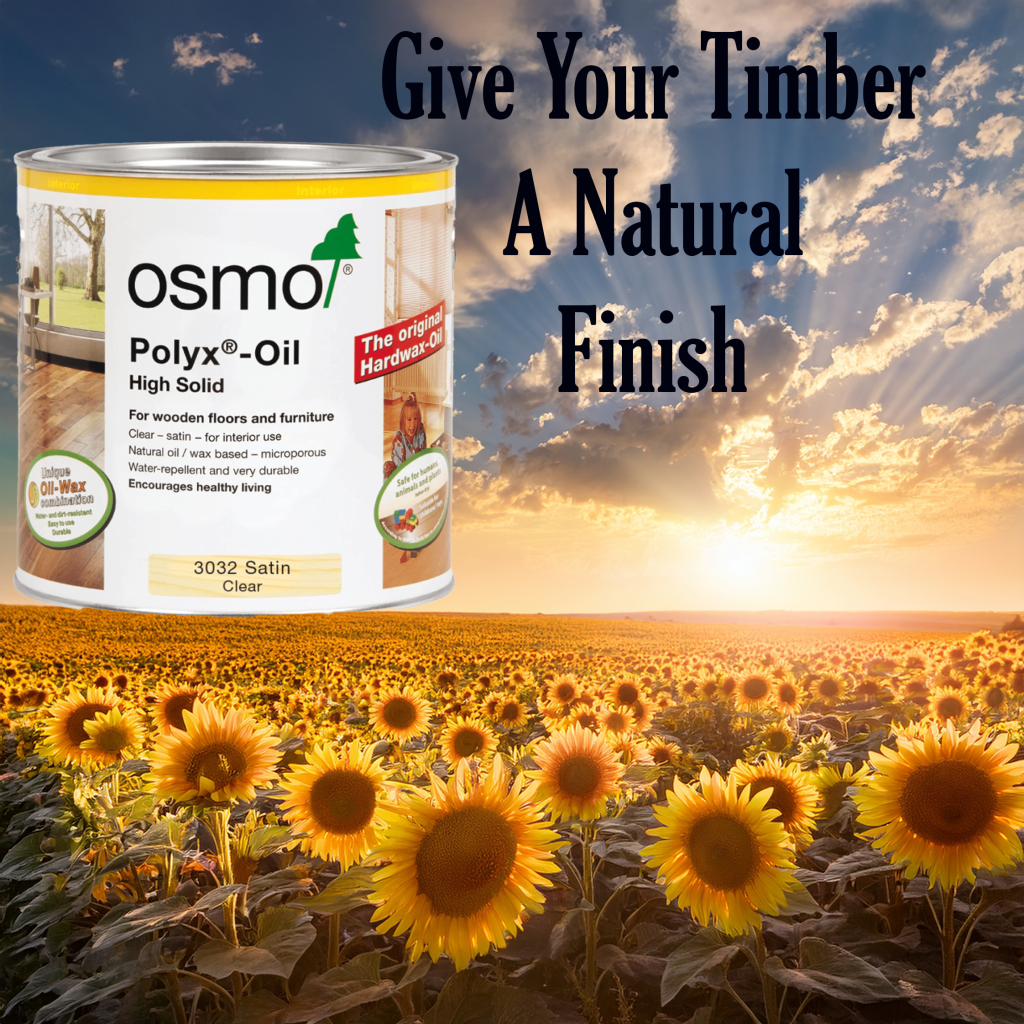
Another important benefit of Osmo is its coverage rate. Because it is a refined combination of oils and waxes, it covers substantially more area than products that behave more like polyurethane coatings. On suitable hardwoods such as Jarrah, Marri, Blackbutt, Southern Blue Gum and Spotted Gum, coverage can typically reach 30 to 40 square metres per litre. It is applied very thinly, but it performs exceptionally well. This works best when the floor has not been over-sanded, allowing the timber to absorb the finish properly rather than relying on a thick sacrificial layer sitting on top of the surface.
The Osmo system is distinctive and highly effective. There are many floors in Perth that are now more than 10 years old and still performing well with Osmo hard wax oil. These floors retain excellent appearance and provide very good slip resistance, which makes them a practical and durable solution for timber flooring.

 vcs floorworks PERTH everything for flooring
Leave a comment