
VCS – history of coatings from the 1980s
Understanding the evolution of timber floor coatings provides essential context for the range of products and methods we observe today. If we reflect on the housing landscape from approximately 40 years ago, we note that homes featured significantly smaller windows and more compact living spaces. The average dwelling for a family of six spanned around 120 square metres, resulting in a ratio of approximately 20 square metres per person. In stark contrast, contemporary norms have seen this figure double to 40 square metres per individual, with even larger ratios evident in Western Australia.
The Need for Better Coatings
Historically, the coatings available for timber floors were rudimentary oil formulations, necessitating the use of two-head polishers for maintenance. This frequent polishing led homeowners to strategically place rugs and runners throughout their residences to minimize wear and reduce the upkeep required. The interior layouts of the time favored a more compartmentalized design, quite unlike the open-plan modern aesthetics we recognize in the 21st century.
As time progressed, homeowners became increasingly fatigued with the effort demanded by two-head polishers. The introduction of high-quality carpets and vinyl flooring, alongside savvy marketing campaigns, emphasized the ease of maintenance offered by these alternatives. Consequently, many residences in Perth transitioned to carpets and vinyl due to their convenience and lower maintenance requirements.
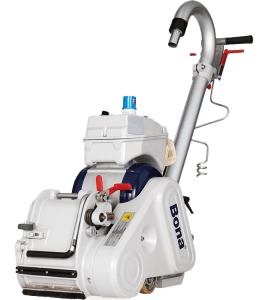
Polyurethane Arrives
In contrast, the European market was progressing with the adoption of polyurethane and solvent-based polyurethane coatings. Even in its most basic formulation, polyurethane presented two distinct advantages: it effectively protected timber surfaces and facilitated easy cleaning. Initially, only gloss finishes were introduced to the market.
In Australia, a notable development occurred when a Queensland-based company began producing solvent-based polyurethane. This innovation quickly gained traction, leading to the distribution of gloss formulations, both single-pack and two-pack, across the country.

To enhance the aesthetic appeal of timber flooring, lighter primers were subsequently introduced. These primers were applied prior to the topcoat, allowing the wood to retain a lighter appearance once the final coating was applied, thereby aligning with the evolving preferences of homeowners.
This historical overview underscores the tremendous advancements and shifts in consumer preferences that have shaped the timber floor coating industry into what we recognise today.
In recent years, architectural trends have shifted towards larger rooms and expansive windows. The evolution of window design has seen a transition from waist-height models to those that extend just below the knee, and ultimately to full-height installations. This change has been complemented by the introduction of large sliding windows, resulting in significant areas of glass that allow abundant natural light to flood into interior spaces.
Satin is Needed
This shift towards larger openings has necessitated pivotal changes in floor coatings. Firstly, as more light penetrates the environment, the visibility of any imperfections in the sanding and coating processes has increased. Consequently, it has become essential to apply coatings in a more meticulous manner. Secondly, there is a growing demand for reduced gloss finishes—such as satins, semi-mats, and semi-glosses. The intensified light in a room can produce challenging reflections, making it crucial to manage the sheen of the floor finish effectively.
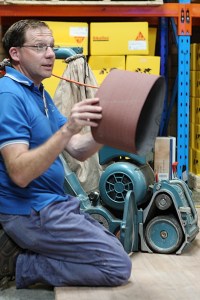
As a result, advancements in floor coating technologies have emerged. For instance, the progression to satin finishes has prompted the development of superior sanding systems. Previously, during the late 1980s, the finest sanding grits available for flooring went only up to 80 grit. In environments with limited lighting, such imperfections were often overlooked; however, this was no longer the case as light levels increased.
In the 21st century, sanding technology has advanced significantly, with grits now reaching up to 280 or even 400, depending on the type of coating and the timber involved. The challenge of achieving a consistent satin finish remained significant, primarily due to inconsistencies associated with solvent-based coatings. Factors such as airflow, humidity, and temperature could adversely affect how evenly a finish would dry, often resulting in a variable gloss level, particularly in colder conditions.
The advent of waterborne coatings has proven to be transformative in this regard. Waterborne formulations inherently dry more evenly, thus providing a reliable solution to the challenges posed by variable environmental conditions. This technological innovation has facilitated the attainment of consistent, high-quality finishes across a range of applications.
In summary to this point, as architectural designs evolve towards larger glass installations, the corresponding advancements in floor coatings reflect the industry’s responsiveness to emerging aesthetic and functional requirements. These developments are crucial for achieving the desired visual appeal and durability of flooring in contemporary spaces.

So Many Variations in Coatings
The evolution of coatings for timber flooring has witnessed significant developments over time. In the early days, two-pack waterborne coatings were introduced, followed by a gradual incorporation of both single-pack and two-pack options specifically for flooring applications. Today, the industry landscape is dominated by a prevalent use of waterborne polyurethane and waterborne acrylics, which together account for a substantial portion of the flooring market. Although solvent-based polyurethane still exists, its overall usage is minimal.
It is crucial to note that while the term “solvent-based polyurethane” encompasses a range of products, the same applies to waterborne coatings, which can vary significantly in performance. Some waterborne coatings boast exceptional durability, high build, and superior toughness, whereas others may lack in these critical areas. This variation indicates a rich tapestry of coating options available in the market.
Approximately 25 years ago, hard wax oils began to establish their presence in Europe, quickly making their way into the Australian market. The primary distinction between hard wax oil and waterborne polyurethane lies in their application and formulation. Waterborne polyurethane functions as a sacrificial layer, forming a protective coating on the surface of the timber. In contrast, hard wax oil is formulated to penetrate the timber, resulting in minimal visible finish on the surface.
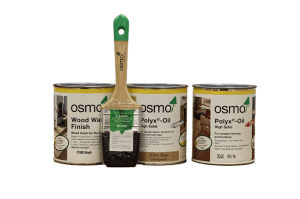
Manufacturers attempting to create hard wax oils have faced challenges in achieving durability, often resulting in hybrid products that blend oil with resin. These hybrids represent a crossover between traditional polyurethane coatings and the contemporary oil finish, which tends to offer a more subdued appearance.
While it is possible to develop robust hard wax oils, this necessitates a costly formulation incorporating multiple oil types and waxes. To date, Osmo, a German manufacturer, stands out as the sole company producing a truly durable heavy-duty hard wax oil. Other manufacturers have made commendable efforts to develop durable hard wax oils but typically resort to mixing oils with resins or polyurethane to enhance performance.
Recent case studies highlight the durability of solvent-based polyurethane coatings from three decades ago, particularly those formulated with additives that are now restricted. In some cases, these coatings have maintained their appearance and integrity, rivaling their original state from the 1990s. In stark contrast, the performance of contemporary waterborne urethane varies significantly; while some coatings may deteriorate within a year, others can provide a service life of seven to ten years or more.
The performance of hard wax oils also demonstrates variability. Basic formulations may offer less than a year of service life, yet more advanced products, such as those from Osmo, can remain in excellent condition for nearly a decade, as reported by satisfied customers.
Examining the present-day market reveals a wealth of high-quality options. Companies like Polycure provide exemplary solvent-based polyurethane, while Bona and Siegel excel in the realm of waterborne coatings. Osmo remains the pre-eminent choice in the hard wax oil category, known for its outstanding durability.
Understanding these developments helps clarify the evolution of coatings as they adapt to larger homes, increased window sizes, and advancements in sanding techniques. Today, we take pride in offering the market a diverse selection of superior coatings from all three segments of the timber flooring industry.
 vcs floorworks PERTH everything for flooring