Understanding the Basics of Timber Flooring
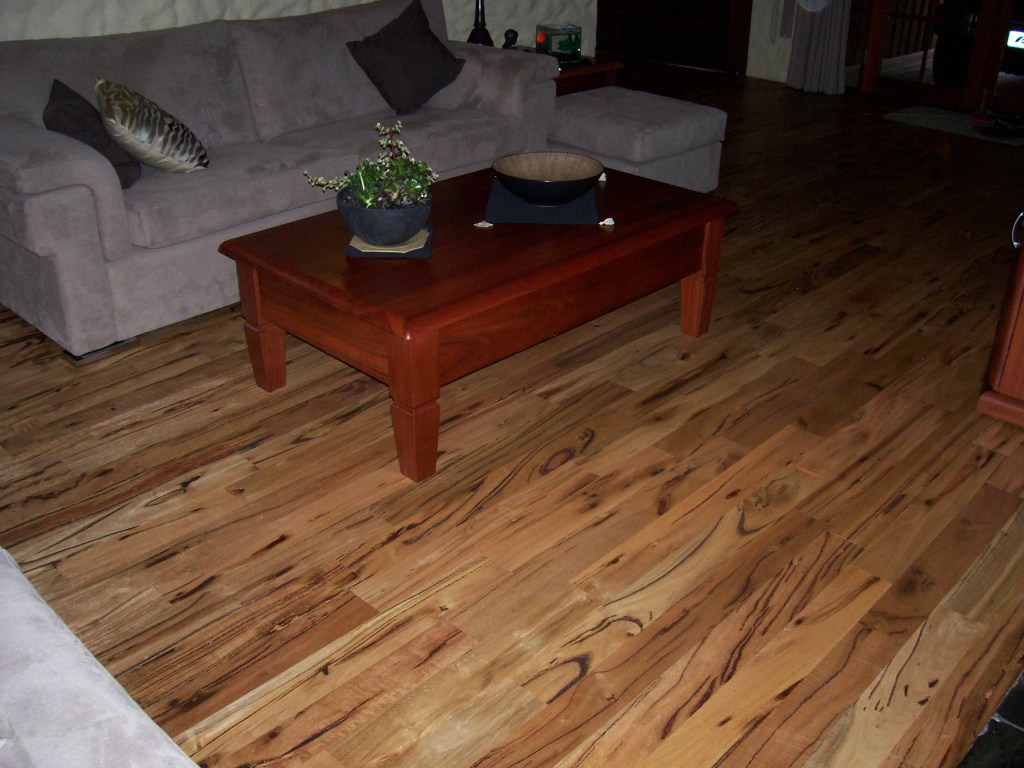
The term “timber floor” has evolved significantly over the years, encompassing a wide range of applications and interpretations. Originally, a timber floor referred to a floor constructed from timber, typically up to 30mm thick, which was nailed to a series of floor joists. This traditional method of timber flooring has its roots in history, dating back thousands of years. The warmth and insulation provided by timber floors have long been recognised, making them a popular choice for homes and buildings.
The boat building industry has played a pivotal role in the development of timber flooring, particularly in terms of understanding the expansion and contraction of timber when exposed to water. This knowledge was later applied to the construction of timber floors on land, ensuring that they could withstand varying environmental conditions.
However, with the advent of the concrete pad as a standard component of modern house construction, the installation of timber floors underwent a significant transformation. No longer was timber flooring the primary floor in a home, but rather an “overlay” type of flooring, installed on top of a concrete base. This shift in building practices has led to the widespread adoption of the “overlay” system, particularly in regions where traditional building methods are no longer the norm.
The Evolution of Timber Flooring
In many parts of the world, timber floors are still installed using traditional methods. Nevertheless, the increasing popularity of concrete floors has led to a greater emphasis on the “overlay” system. This has necessitated a greater understanding of the problems and solutions associated with fixing timber to concrete.
Parquetry: A Solution to the Challenge
One of the earliest solutions to the challenge of installing timber floors on concrete was parquetry. This labour-intensive process involves installing small pieces of timber directly onto the concrete, allowing for a high degree of creativity and flexibility in terms of pattern and design. Parquetry has been used to create some of the most stunning and impressive timber floors in history, showcasing the beauty and versatility of this traditional technique.
The Enduring Appeal of Floorboards
While parquetry is undoubtedly a remarkable solution, the most enduring and popular choice for timber flooring remains the floorboard or strip flooring. The timeless appeal of this design lies in its ability to create a sense of continuity and flow, tying together separate rooms and spaces within a home. The universal appeal of the floorboard is a testament to its enduring popularity, with people around the world praising its character and warmth.
The Challenges of Installing Timber on Concrete
However, installing longer lengths of timber directly onto concrete is not a straightforward process. Timber is a dynamic product, subject to ongoing movement and expansion, even after it has been kiln-dried. This is due to the natural process of moisture absorption and release, which can cause timber to shrink and expand over time. As a result, timber doors and floors may become stuck or loose, depending on the environmental conditions.
This phenomenon is evident in older homes, where timber doors may move freely in the summer but stick in the winter. This highlights the long-term nature of timber movement, which must be taken into account when installing timber floors on concrete.
Any approach to timber flooring needs to balance the challenges and choices cited above.

