
The Science of Expansion: Unlocking the Secret to a Lasting Finish
As any seasoned woodworker or furniture maker will attest, achieving a durable and long-lasting finish is a daunting task. Traditional lacquers, once a staple of the industry, have been found to be woefully inadequate in this regard. Often a full re-sand and re-finish is necessary to maintain a good finish. But why is this the case? Let us delve into the science behind the expansion of wood and explore the limitations of traditional finishes.
The Problem with Traditional Lacquers
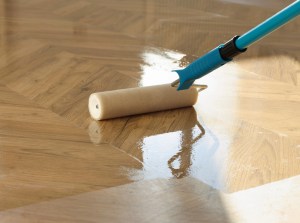
Traditional lacquers form a brittle, plastic shell on the surface of the wood. This rigid layer is prone to cracking as the wood naturally expands in response to heat and variations in moisture content.
As the wood expands, the lacquer shell fractures, allowing dirt and moisture to seep into the micro-cracks that form. This trapped moisture causes internal deterioration, contributing to a host of problems including peeling, blistering, and warping.

The Moisture Trap
The micro-cracks that form in the lacquer shell create a perfect environment for moisture to accumulate. Dirt and debris become trapped, causing the wood to decay from the inside out. This is a consequence of a plastic finish that is unable to adequately adapt to the natural expansion and contraction of the wood.
The Elastic Standard
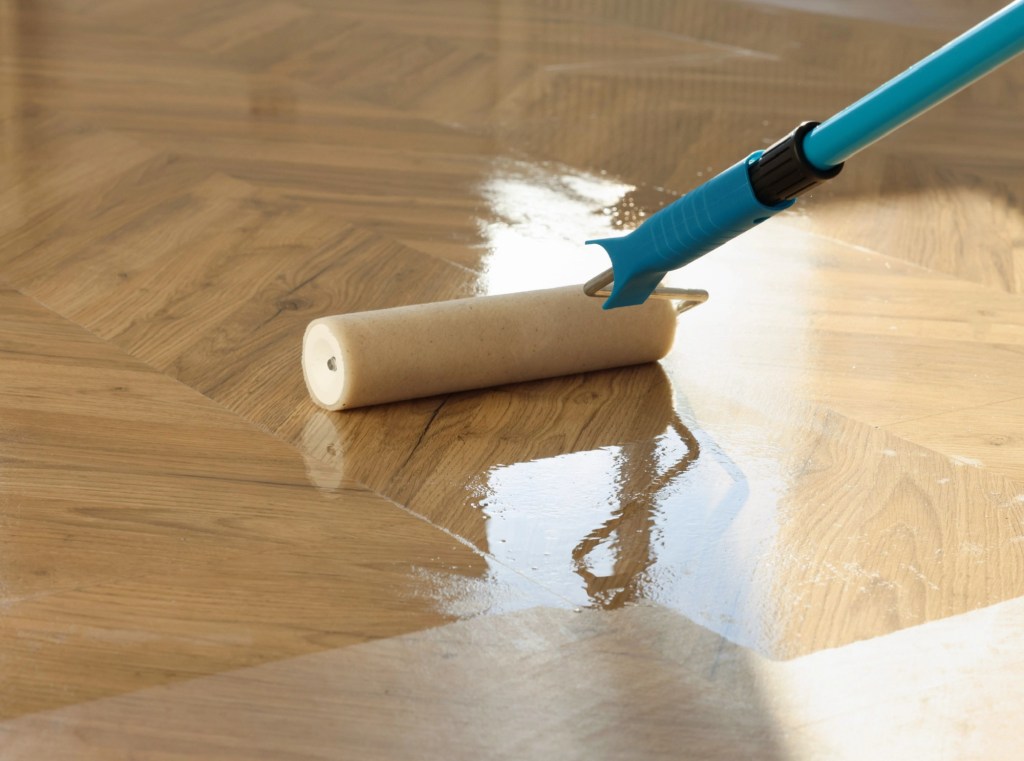
So, what is the solution to this problem? The answer lies in a finish that is capable of moving with the wood, rather than against it. This is precisely what Osmo’s plant-based micro-oils achieve. By bonding directly with the wood fibers, these oils create a microporous and elastic finish that expands and contracts naturally with the timber.
The Osmo Solution

Osmo’s plant-based micro-oils are the antithesis of traditional lacquers. Rather than plasticizing the surface of the wood, these oils work in harmony with the natural grain of the timber. This results in a finish that is not only durable and long-lasting but also enhances the organic grain definition of the wood. The benefits of Osmo’s finish are numerous:
- Permanently prevents cracking, peeling, and blistering
- Effortlessly protects against moisture rings and daily wear
- Stabilizes hardwood from within
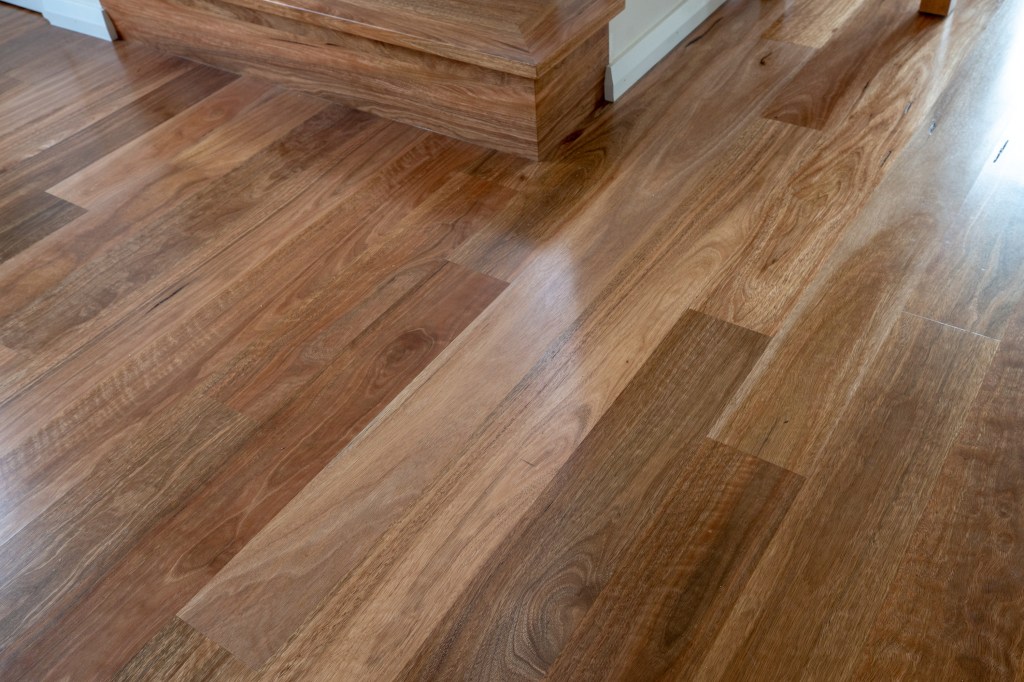
- Enhances organic grain definition
Synthetic Coatings: A Temporary Choice
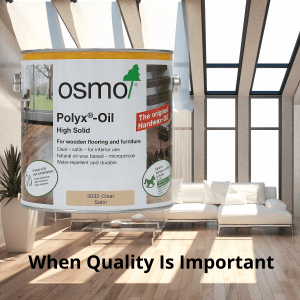
Synthetic coatings may offer a quick and easy solution, but they come at a cost. By shielding the surface of the wood, these coatings mask the true character of the timber, leaving it looking synthetic or like a sheet of plastic. In contrast, Osmo’s plant-based micro-oils work in harmony with the wood, revealing its natural beauty and enhancing its grain definition.
In conclusion, the science of expansion is a complex and multifaceted issue. Traditional lacquers are no longer the best solution, and synthetic coatings are a false promise. Only a finish that is capable of moving with the wood, like Osmo’s plant-based micro-oils, can provide the level of protection and durability that woodworkers and furniture makers demand.


Leave a Reply