The Evolution of Timber Floor Coatings: A Journey of Innovation
Perth plays a key role in developing timber floor systems.
As we navigate the complexities of modern interior design, it is essential to understand the transformative journey of timber floor coatings. From the rudimentary oil formulations of yesteryear to the sophisticated waterborne coatings of today, the industry has undergone a remarkable evolution. In this article, we will delve into the history of timber floor coatings, highlighting key milestones and technological advancements that have shaped the market.
The Early Days: Oil Formulations and Two-Head Polishers
In the 1970s and 1980s, timber floors were often treated with oil-based coatings, which required frequent polishing to maintain their appearance. The introduction of two-head polishers became a standard practice, but this labour-intensive process led homeowners to adopt rugs and runners to protect their floors. The compartmentalised design of the time, with smaller windows and more compact living spaces, made it easier to conceal the imperfections of oil-based coatings.
The Rise of Polyurethane and Solvent-Based Coatings
In contrast, the European market was pioneering the use of polyurethane and solvent-based coatings. These innovations offered improved protection and ease of cleaning, with gloss finishes being the initial option. As polyurethane gained popularity, Australian manufacturers began to develop their own solvent-based formulations, which quickly gained traction across the country.
The Shift towards Larger Rooms and Expansive Windows
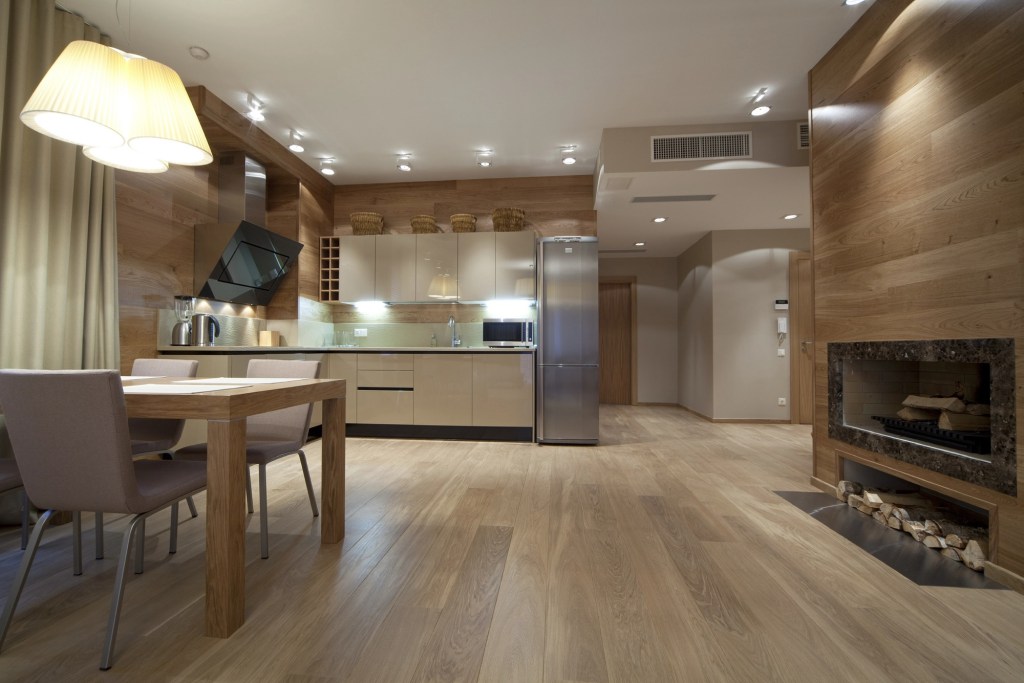
In recent years, architectural trends have shifted towards larger rooms and expansive windows, allowing natural light to flood into interior spaces. This transformation has necessitated a corresponding change in floor coatings, with a growing demand for reduced gloss finishes, such as satins, semi-mats, and semi-glosses. The intensified light in a room can produce challenging reflections, making it crucial to manage the sheen of the floor finish effectively.
Advances in Sanding Technology and Waterborne Coatings
The progression to satin finishes has prompted the development of superior sanding systems, with grits now reaching up to 280 or even 400, depending on the type of coating and timber involved. The advent of waterborne coatings has proven to be transformative, offering a reliable solution to the challenges posed by variable environmental conditions. These formulations inherently dry more evenly, providing a consistent, high-quality finish across a range of applications.
The Rise of Hard Wax Oils and Hybrid Products
Approximately 25 years ago, hard wax oils began to establish their presence in Europe, quickly making their way into the Australian market. The primary distinction between hard wax oil and waterborne polyurethane lies in their application and formulation. While waterborne polyurethane functions as a sacrificial layer, hard wax oil is formulated to penetrate the timber, resulting in a minimal visible finish on the surface.
The State of the Industry Today
Today, the industry landscape is dominated by a prevalent use of waterborne polyurethane and waterborne acrylics, which together account for a substantial portion of the flooring market. While solvent-based polyurethane still exists, its overall usage is minimal. Companies like Polycure, Bona, and Siegel excel in their respective categories, offering high-quality options for timber floor coatings.
Conclusion
The evolution of timber floor coatings has been a journey of innovation, driven by advances in technology and shifting consumer preferences. From the early days of oil formulations to the sophisticated waterborne coatings of today, the industry has undergone a remarkable transformation. As we continue to navigate the complexities of modern interior design, it is essential to understand the history and technological advancements that have shaped the market. By doing so, we can make informed decisions and choose the best coatings for our timber floors, ensuring a durable and aesthetically pleasing finish for years to come.
Recommended Timber Floor Coatings:
Waterborne Polyurethane: Bona and Siegel offer exemplary waterborne coatings, providing a consistent, high-quality finish across a range of applications.
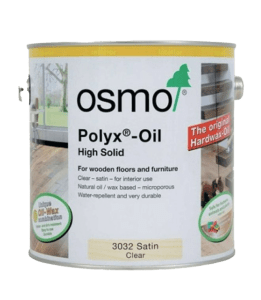
Hard Wax Oil: Osmo remains the pre-eminent choice in the hard wax oil category, known for its outstanding durability and ability to penetrate the timber, resulting in a minimal visible finish on the surface.
Solvent-Based Polyurethane: Polycure provides exemplary solvent-based polyurethane, offering a reliable solution for those seeking a high-quality finish.
By choosing the right timber floor coating for your project, you can ensure a durable and aesthetically pleasing finish that will withstand the test of time.





Leave a Reply